Drug addiction, now known as “substance use disorder”, is a mental health condition wherein you experience a concerning pattern of consuming intoxicating substances that negatively impact your quality of life and overall health.
These intoxicating substances have the potential to affect neurological functioning in the longer run. Dopamine is a neurotransmitter involved in reward, motivation, and reinforcement in the brain.
There comes a point when your body and mind want to continue feeling this sense of pleasure, even if it’s detrimental. This dependency can profoundly affect your mental health, interpersonal relationships, and career and can also be life-threatening, in certain cases.
Substance use disorder could be mild, moderate, or severe, varying across each case. It is important to understand that the condition is treatable, and AIMAN Hospital provides comprehensive drug addiction treatment. We provide evidence-based treatment, counseling, and support to help individuals attain and sustain recovery.
What Are the Different Types Of Substance Use Disorders?
Following are the types of substance use disorders, according to the National Institute on Drug Abuse (NIDA) and standard diagnostic criteria:
- Alcohol Use Disorder: Drinking habits that are intensely concerning and negatively impact relationships, daily life, or health.
Ex: Alcohol
- Opioid Use Disorder: Chronic and wrongful use of illegal opioids or prescription painkillers that can impair neurological functioning.
E.g., of illicit opioids: Heroin: e.g., of a prescription medicine: oxycodone
- Stimulant Use Disorder: Compulsive use of drugs that stimulate the central nervous system, such as cocaine, amphetamines, methamphetamine, MDMA, or prescription drugs like Ritalin and Adderall.
- Cannabis (Marijuana) Use Disorder: Persistent or increasing cannabis usage in spite of detrimental impacts on social, academic, professional, or health functioning.
- Tobacco/Nicotine Use Disorder: Excessive dependency on nicotine-containing products, such as cigarets, smokeless tobacco, or e-cigarettes (vapes),
- Sedative, Hypnotic, or Anxiolytic Use Disorder: Wrongful use of tranquilizers, anti-anxiety drugs, or sleep aids, including barbiturates and benzodiazepines (such as Valium and Xanax).
- Hallucinogen Use Disorder: Concerning and problematic use of drugs, including LSD, psilocybin (magic mushrooms), and PCP that alters perception and mood.
- Inhalant Use Disorder: Inhaling volatile vapors from home-use and commercial-use products, such as glue, paint thinners, or aerosols, might lead to inhalant use disorder.
Please note that an individual can have more than one substance use disorder at a time. This condition is known as a polysubstance use disorder.
Key Facts and Figures For Substance Use Disorder
- Globally, approximately 316 million people aged 15–64 years used a drug other than alcohol or tobacco, according to the World Drug Report 2025 by the United Nations Office on Drugs and Crime (UNODC)
- Cannabis is the most widely used drug globally, with an estimated 244 million users, followed by opioids with 61 million users
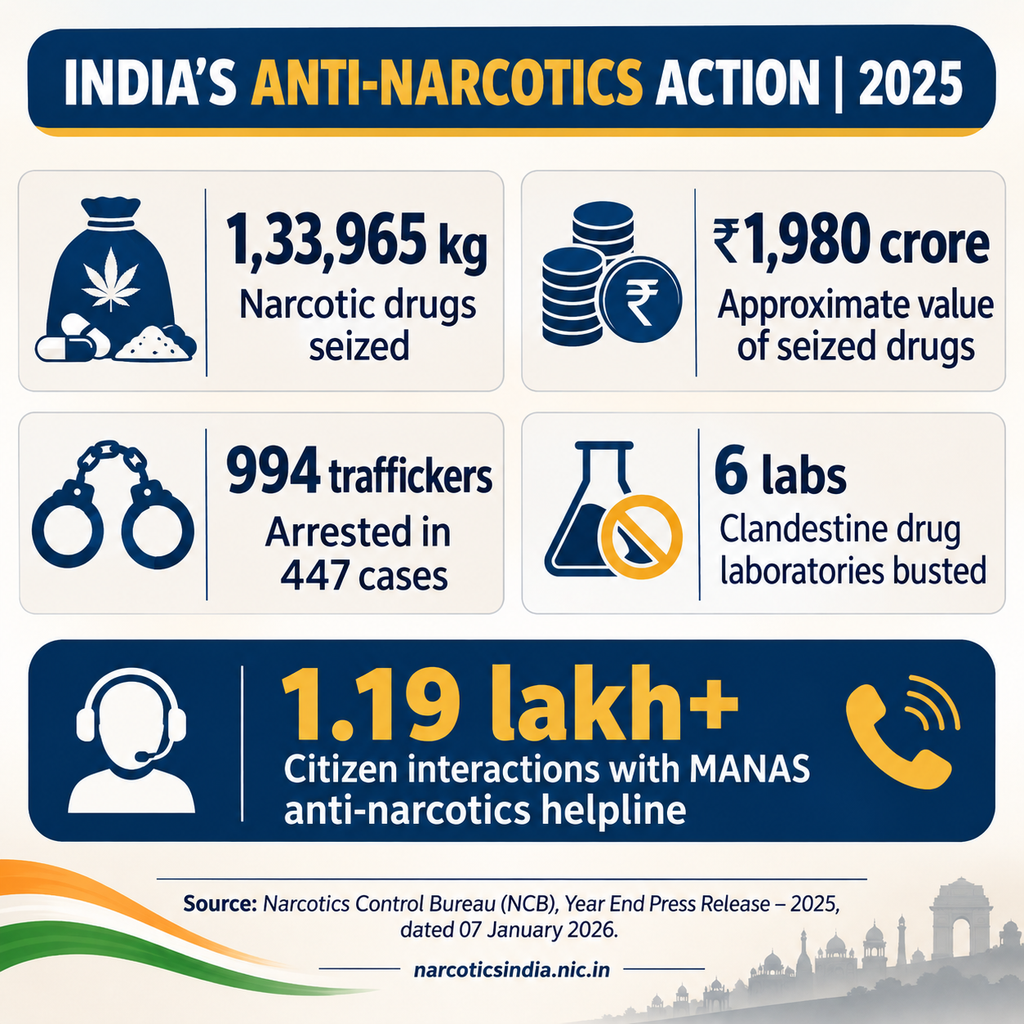
- According to the Ministry of Social Justice and Empowerment and the AIIMS New Delhi national survey, substance use disorders impact nearly 7 crore people in India
What Are the Primary Symptoms of Substance Use Disorder?
Depending on the kind of substance an individual is intaking, substance use disorders can have different symptoms and consequences. Depending on whether or not the chemical is present in the body, there are two categories of symptoms. Among them are:
- Intoxication: The immediate and transient impact of a substance on your body is called intoxication. Sleepiness, calmness, excitement, strong emotions, etc. are some of the symptoms. Additionally, the drug may impair your ability to make decisions and make judgements, as well as your physical and mental abilities.
- Withdrawal: When a substance’s short-term effects wear off and it begins to leave your body, you may experience withdrawal symptoms. Nausea, vomiting, diarrhea, sweating, trouble sleeping, cramping in the muscles, and mood swings are all unpleasant symptoms.
How Is Drug Addiction Diagnosed by a Healthcare Professional?
According to standard diagnostic criteria, a person must have at least two signs in the symptoms section over 12 months to be diagnosed with substance use disorder.
- Diminished ability to regulate substance use
- Taking the drug in greater quantities and for longer than planned.
- A persistent desire to limit or control usage. The person may have already made an unsuccessful attempt to quit.
- Taking a long time to acquire, use, or recuperate from the effects of substance use.
- Feeling a strong want to use the drug or a craving
- Social Impairment:
- Substance abuse can interfere with fulfilling important responsibilities at work, school, or home.
- Continuing use of a substance despite having persistent social or interpersonal problems
- Reduction or discontinuation of social, occupational, or recreational activities because of drug use.
- Dangerous Usage:
- Recurrent drug usage in hazardous physical settings.
- Persistent substance use in spite of being aware that it could lead to or worsen psychological or physical issues.
- Pharmacological Criteria.
Tolerance: Requirement of progressively higher doses of the substance to achieve the desired effect, or the usual dose has a diminished effect; individuals may build tolerance to specific symptoms at different rates.
Withdrawal: Symptoms that appear when the substance’s levels in the blood and tissues drop. The individual suffering from substance use disorder seeks the drug to relieve their symptoms.
Please consider gauging the severity of the substance use disorder while:
- Two to three signs—mild
- Four or five signs—moderate.
- Six or more signs—severe
Healthcare professionals depend on a comprehensive assessment of your drug-related behaviors and medical history. They could set up drug tests to see how many and what kind of chemicals are in your body at any time. Reports from prescription drug monitoring programs (a database of distributed controlled substances) may also be evaluated by them.
Since it’s common to have mental health issues following drug addiction and vice versa, the mental healthcare professional will additionally inquire about your mental health history.
What Are The Factors That Lead To Drug Addiction?
Biological, psychological, social, and environmental risk factors interact to cause substance use disorder (SUD). An individual’s vulnerability to lead up to drug addiction is increased by risk factors.
Biological Factors:
- Genetic Predisposition: About 40% to 60% of addiction risk is generally attributed to inherited features.
- Age of first use: Using drugs in childhood or adolescence, when the brain is still developing, increases the likelihood of long-term neurochemical alterations and subsequent dependence.
Psychological Factors
- Drug addictions often coexist with depression, anxiety, Attention-Deficit Hyperactivity Disorder (ADHD), and post-traumatic stress disorder (PTSD). Substance abuse is a common way for people to deal with emotional anguish or discomfort.
- Adverse childhood experiences, including physical, emotional, or sexual abuse, significantly increase the likelihood of substance dependence in adult life.
Social Factors:
- Being in the company of friends/colleagues who actively smoke, drink, or take drugs normalizes substance use and puts pressure on them to try new things. Coping mechanisms may also be triggered by social exclusion or bullying
- Vulnerability to developing substance use disorder is increased, particularly in young individuals, by substance abuse by family members, high levels of family conflict, inconsistent discipline, or inadequate parental supervision.
Environmental Factors:
- Convenient availability of alcohol, nicotine, or prescription or illicit drugs is a risk factor, as is increased propensity to addiction to certain substances.
- Substandard financial standing, poverty, a lack of economic opportunity, unstable housing, and barriers to healthcare or education can heighten chronic stress and limit support.
What Are The Potential Consequences Of Drug Addiction?
Overdose is one of the more frequent and fatal side effects of substance use disorders. An overdose occurs when a chemical is consumed in excess. This is an urgent medical situation.
Distinct compounds have distinct effects on different parts of the body. For instance, an opioid overdose affects the area of the brain responsible for breathing regulation. Your breathing slows or ceases entirely if treatment is delayed, which can result in death.
Consequences of drug addiction differ according to the kind of drugs being consumed and the severity of the addiction. Complications include:
- Cancer.
- Depression.
- Infections (HIV, hepatitis B, and hepatitis C).
- Loss of memory.
- Obstacles in the workplace or at school.
- Challenges in interpersonal relationships.
- Unsafe, unlawful, or dangerous actions.
What Makes You More Prone to Drug Addiction?
Irrespective of the gender, caste, and ethnicity, drug addiction can affect anyone. However, you are a greater risk of developing the same if you:
- Have genetic susceptibility
- Have an underlying mental health condition
- Had traumatic experiences in the formative years of life.
- Have easy access to substances
What Leads to the Development of Drug Addiction?
Factors that may contribute to the development of drug addiction consist of the following:
- Peer pressure.
- Interest in the effects of substances.
- Doing better in a job or school (showing accomplishment).
- Emotional relief (e.g., respite from sadness, dread, or tension)
This pattern is observed usually in the development of a substance use disorder:
- Experimental use (or prescription use): Using a drug as prescribed or giving it a try.
- Occasional use: Using drugs in public, or failing to take medications as prescribed.
- Heavy use: Frequent use of a drug with few or no days off.
- Substance use disorder: Using the drug once a day or several times a day. Seldom do you not use drugs or alcohol.
Please note that factors and patterns are not standard. They vary greatly across each individual suffering from drug addiction.
What Is the Treatment for Drug Addiction?
Treatment for drug addiction is very individualized. Throughout the recuperation period, an not every individual may require the same treatment. For example, an individual may require only medicinal therapy, while the other may require a combination of medicinal therapy and CBT.
- Medicinal Treatment:
The pharmacological treatment entails the use of medications that can both discourage drug use and help reverse the pleasure effects of drug use.
- Substitution Therapy
A highly potent drug is replaced by a less potent drug to help withdraw an individual off the drug without causing the onset of severe withdrawal symptoms. Usage of the low potency is then gradually reduced until the individual taking the drugs is absolutely free from the addiction.
Nicotine replacement therapy used to help individuals wean themselves off nicotine and is available in the form of chewing gum, skin patches, and nasal sprays.
- Cognitive Behavioral Therapy
Cognitive behavioral therapy is the gold standard treatment form of psychotherapy, helping individuals become aware of the correlation between their intrusive thoughts, emotions, and following substance use, and by teaching healthy coping mechanisms to manage cravings and prevent relapses
- Rehabilitation
A full-time facility that provides a supportive environment to help individuals suffering from drug addiction to recuperate without distractions or temptations.
Also Read: Depression Treatment in Gurgaon: Signs, Support, and Therapy
Conclusion:
Drug addiction can happen to anyone irrespective of their sex or caste or creed. a treatable disease. However, it is treatable with the right treatment under the right guidance of a qualified professional mental healthcare professional.
At AIMAN Hospital, our addiction and rehabilitation centre in Gurugram provides comprehensive treatment for substance abuse and addiction. We offer evidence-based treatments, counseling, and support to help individuals achieve and maintain recovery.
Our team of experts is fully committed to providing compassionate, confidential, and comprehensive care to individuals and families facing emotional and psychological challenges.